Matapato Rangelands · Central Kajiado, Kenya

Where people and wildlife share the same ground.

RAMAT Wildlife Society is the community-led body uniting ten conservancies across the Amboseli ecosystem's northern rangelands — rebuilding habitat, reopening migratory routes, and proving coexistence pays.

Scroll
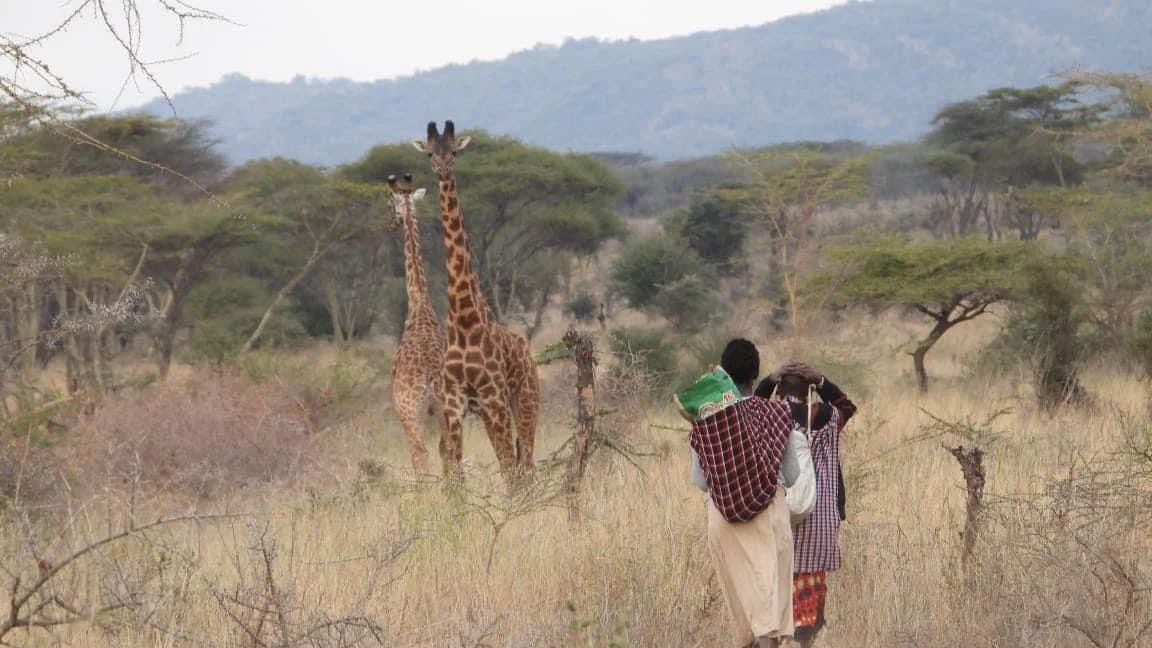
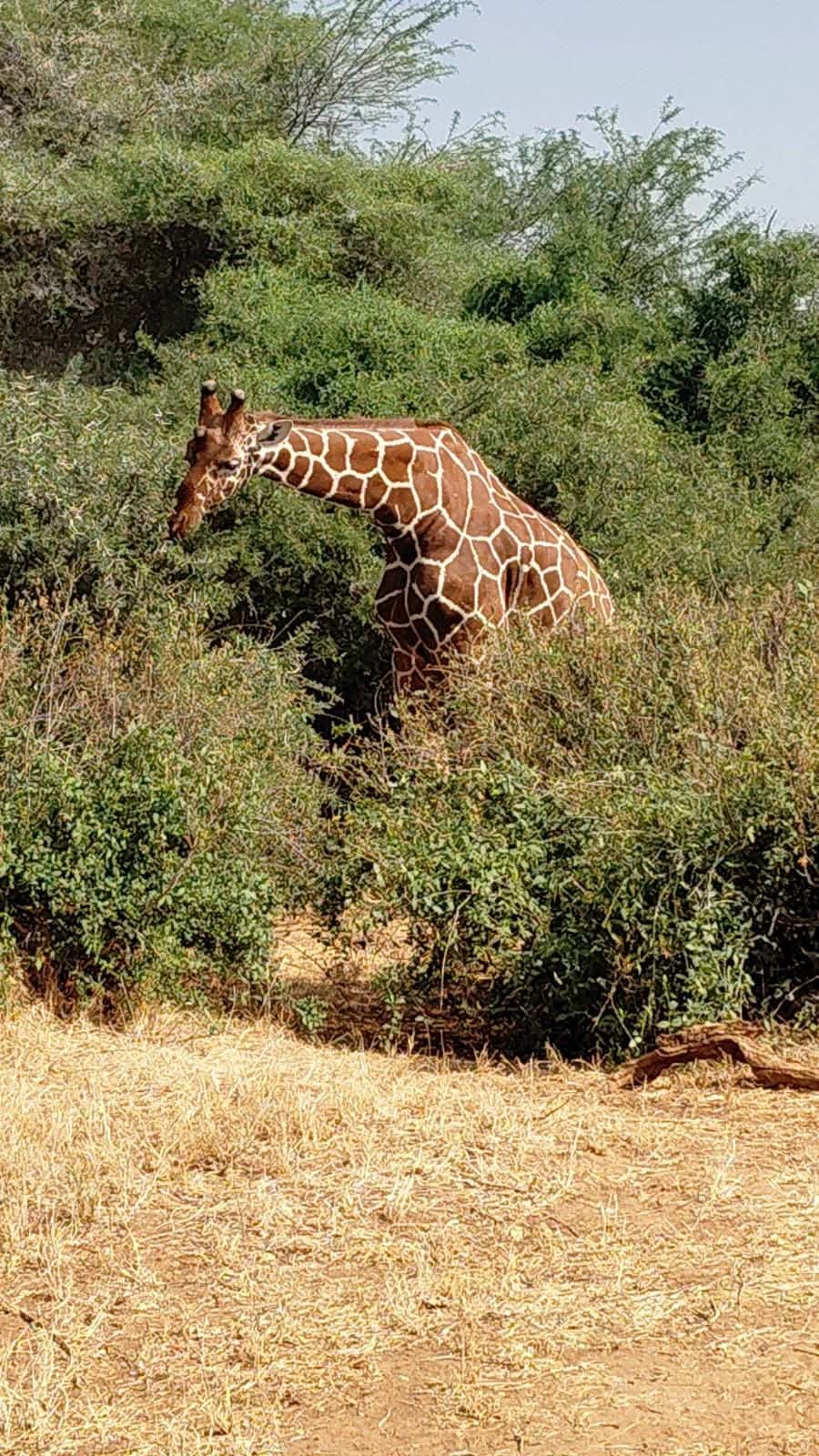
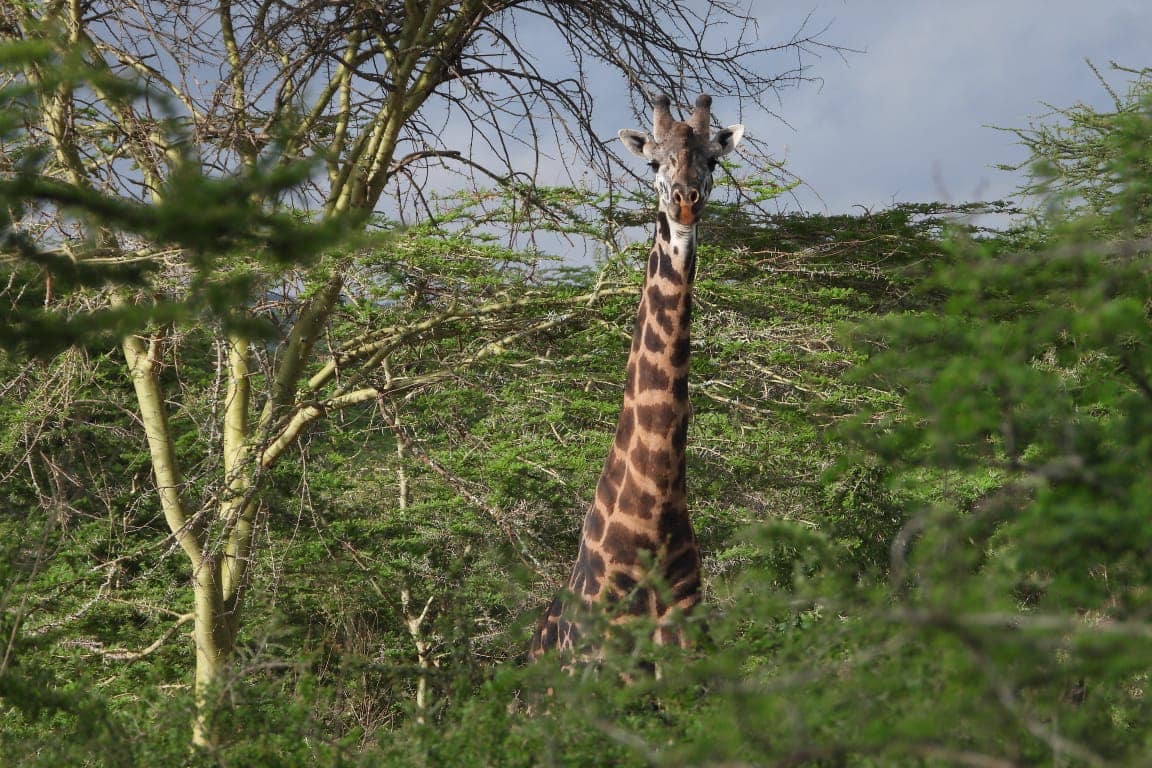
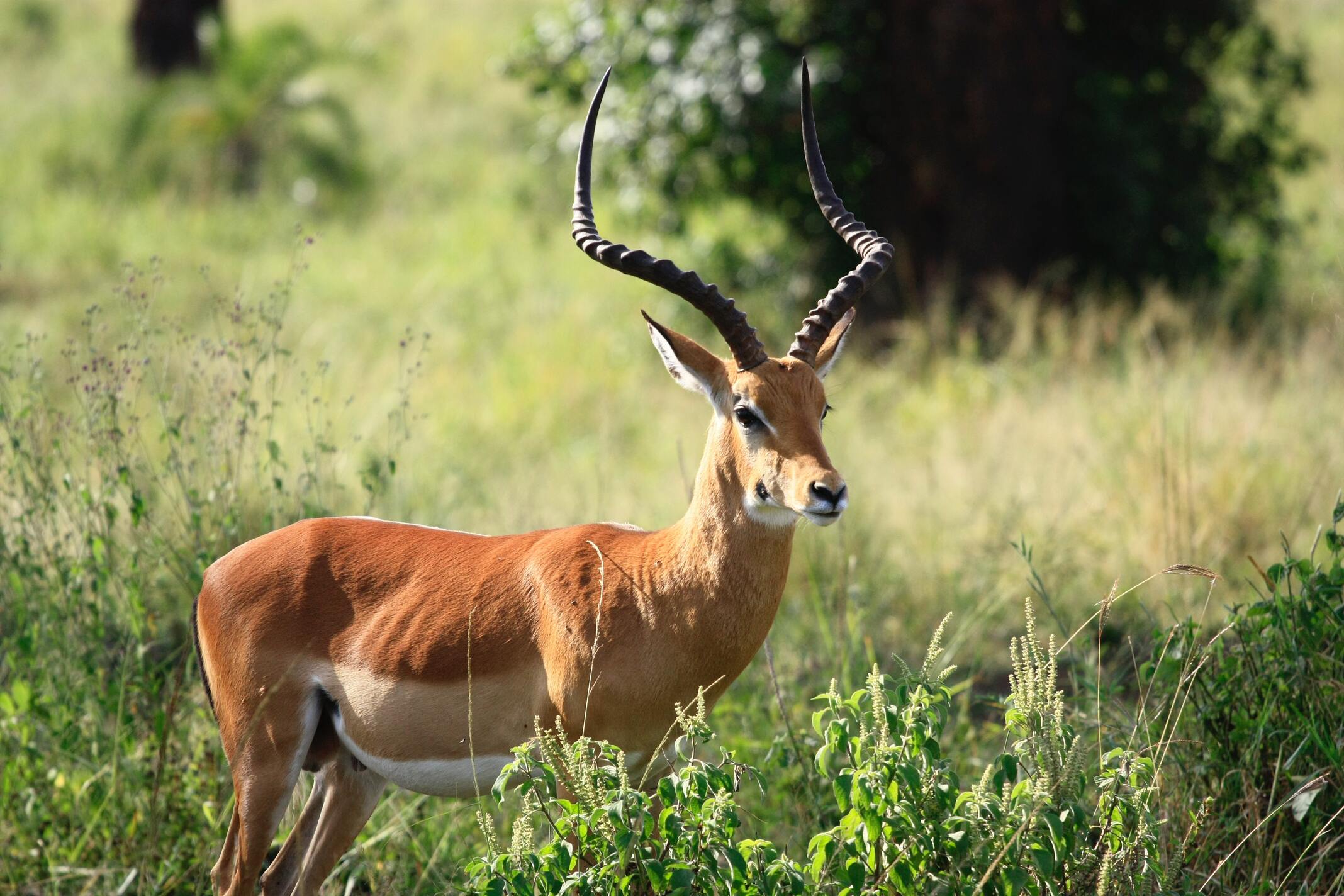
Wildlife of the Matapato Rangelands, Central Kajiado
About Us

An indigenous peoples organization for the conservancies of Central Kajiado.

RAMAT Wildlife Society is an indigenous peoples organization and representative body for conservancies governed by Maasai pastoralists of Central Kajiado in Kenya’s Southern Rangelands. We are registered under Section 10 of the Societies Act, Registration No. R54443.

We operate within the Matapato Rangelands, a critical region for pastoralists and a wildlife dispersal area linking Amboseli Ecosystem, the Namanga–Loita Wildlife Corridor, and northern Tanzania.

Despite its global ecological significance, the landscape has received limited development and conservation investment for many years, resulting in escalating human–wildlife conflict, habitat fragmentation, and rangeland degradation.

Our Board of Governance comprises conservancy representatives, as well as representatives of women, youth, and the government.

We are at the forefront of community-led conservation where local voices are true, and institutions are legitimately built from the ground up.

RAMAT Wildlife Society has been operational since 2020 and was formally registered on 15 March 2022.

Our Mission

Strengthening indigenous and local leadership.

To strengthen indigenous and local leadership in restoring degraded ecosystems, protecting biodiversity, and sustaining community livelihoods.

Our Vision

Resilient rangelands, united by stewardship.

Resilient rangelands united by strong community stewardship and vibrant wildlife.

Core Functions

What we do, every day.

Promoting coexistence between people and wildlife; building strong pastoralist institutions; protecting wildlife and livestock migratory routes; fostering partnerships with conservation stakeholders; promoting economic opportunities for communities living with wildlife; and restoring degraded landscapes.

Our Core Values

What guides our work.

  1. Indigenous & Community Leadership: We honour and center the wisdom, rights, and leadership of Indigenous Peoples and Local Communities as the primary stewards of their ancestral lands.
  2. Flourishing Together: We cultivate harmony between human well-being and wildlife, ensuring that conservation actively expands economic opportunity and livelihoods.
  3. Ecological Integrity: We are dedicated to science-backed, community-informed management and restoration of degraded rangelands, ensuring healthy ecosystems for future generations.
  4. Climate Resilience: We build adaptive, forward-looking strategies that equip ecosystems and communities to withstand and thrive amid climate change.
  5. Mutual Respect & Collaboration: We act with transparency, humility, and deep respect for cultural heritage, forging authentic partnerships that empower local action.
Who We Are

Community-led conservation, rooted in the rangeland.

Our Philosophy

At RAMAT Wildlife Society, our work is driven by the conviction that human well-being and thriving ecosystems are inextricably linked. We believe that the future of conservation lies in the hands of those who have stewarded the rangeland for generations; therefore, we center Indigenous Peoples and Local Communities as the primary leaders in protecting biodiversity and restoring fragile ecosystems.

Through community-led action, transparent collaboration, and commitment to ecological integrity, we are dedicated to creating resilient rangelands where future generations can thrive in harmony with the wild, united by shared stewardship and lasting prosperity.

What We Do

  • We advocate for laws, policies, and programs that give indigenous communities a fair share of benefits from the wildlife and tourism economy.
  • We advocate for strong grassroots institutions by facilitating the formation and incentives for community-led conservation entities.
  • We promote peaceful coexistence between people and wildlife through education and rights-based conservation mechanisms.
  • We raise resources that allow conservancies to efficiently support communities that coexist with wildlife.
  • We promote the existence of open rangelands that allow wildlife and livestock to thrive.
  • We foster quality partnerships with like-minded institutions.
The future of conservation lies in the hands of those who have stewarded the rangeland for generations — we center Indigenous Peoples and Local Communities as the primary leaders in protecting biodiversity and restoring fragile ecosystems.
Our Philosophy
What We Do

Seven programs, one rangeland.

Every conservancy under our umbrella draws on the same set of coordinated programs — built around the region's specific pressures and opportunities.

Human-Wildlife Interaction Response

Rapid-response support for households facing predation, crop-raids and livestock loss.

Community Engagement and Education

Wildlife clubs, school partnerships and outreach that build local ownership of conservation.

Rangelands Restoration and Management

Reversing degradation and restoring grazing land for both livestock and wildlife.

Protection of Wildlife Migratory Routes

Keeping wildlife corridors open between Amboseli and the Kenya–Tanzania border.

Governance and Capacity Development

Training conservancy leaders in strong, accountable, community-led governance.

Livelihoods and Tourism Development

Turning conservation into a viable, dignified livelihood for conservancy members.

Rangelands and Species Research

Science-backed research that informs restoration and management of the rangelands.

Our Story

Our Story: From Frustration to Hope

The Beginning

We emerged from a place of frustration and hopelessness. The frustrations of Human Wildlife Conflict and the lack of attention from the conservation sector in Central Kajiado pushed our founders to think of a lasting solution.

Instead of dwelling on the conflict between wildlife and communities, they opted to mobilize their people in search of a homegrown solution against a backdrop of regular livestock predation, crop raids, loss of human lives, poaching, and environmental degradation.

2020

The First Conservancy

The first step was the mobilization and registration of Kikesen River Conservancy in 2020, the first one in the region. The landowners held three meetings before they bought into the idea. Kikesen River Conservancy became the reference point for neighbouring communities that are in the same predicament. They also mobilized and led to the formation of Oldoinyo Sambu and Kisapuk conservancies along the Kenya–Tanzania border. These conservancies are a major migratory route for wildlife from Tanzania and the Lake Magadi region.

2021

The Second Wave

The second wave of conservancies came from the peripheries of the Amboseli Ecosystem — Lorbetera and Noosikitok Conservancies were born in 2021. The movement kept growing as more communities accepted that the conservancy model could actually become a vehicle for engaging various stakeholders to attract resources for development, environmental protection, and improvement of their economic status.

2020–21

First Supporters

Through the support of filmmaker Dr. Paula Kahumbu of Wildlife Direct, the Embassy of France became our first supporter and gave us funds that paid salaries for community scouts in Kikesen, Noosikitok and Lorbetera Conservancies.

The support of Kenya Wildlife Conservancies Association (KWCA) came in handy during the height of the COVID19 pandemic – paying salaries for 4 scouts at Kikesen River Conservancy. KWCA also supported the first-ever Governance Training for conservancy leaders as well as the mapping of 10 conservancies in the region.

Now

A Growing Movement

What was once considered impossible took place — communities living in the Mapatapato Rangelands (Mailwa, Emotoroki, Meto and Long’oswa) opened up to the idea of forming their own conservancies.

Our story is getting richer as more conservancies come on board, while the interest of the region among conservation and government institutions is growing.

Change is coming!

Matapato Rangelands · Central Kajiado

Every conservancy, mapped and registered.

Each conservancy listed here was formed by community land owners, mapped in partnership with the Kenya Wildlife Conservancies Association, and now sits under the coordination of RAMAT Wildlife Society.

Name Approx. Acreage Formerly (Group Ranch)
Registered Conservancies
Kisapuk Conservancy11,000.18 acresOldoinyio Orok
Oldoinyo Sampu Conservancy23,727.73 acresMeto
Kikesen River Conservancy13,982.83 acresMeto
Noosikitok Conservancy20,039.17 acresMailwa
Lorbetera Conservancy40,448.28 acresMailwa
Ilesai Conservancy15,209.19 acresEmotoroki
Olchorro Oiborr Conservancy8,381.56 acresEmotoroki
Oltepesi Conservancy9,521.43 acresEmotoroki
Osewan Conservancy19,292.06 acresEmotoroki

CBO — Community-Based Organisation. Acreage figures are approximate, based on participatory mapping conducted with KWCA.

Governance

Our Organisation's Structure

A board elected by the conservancies, a secretariat that runs day to day, and the founders who started it all.

Leadership Structure

The interim board was elected by the conservancies and mandated to operate for one year, until the next Annual General Meeting.

Our Secretariat

On 1 October 2023, the RAMAT Wildlife Society secretariat office was officially opened at the NIA Building, Off Namanga Highway, Kajiado Town.

The Board

The first RAMAT Wildlife Society board includes chairpersons of member conservancies, the founders, and independent experts. It came into office on 6 October 2023.

Add your own image via cPanel

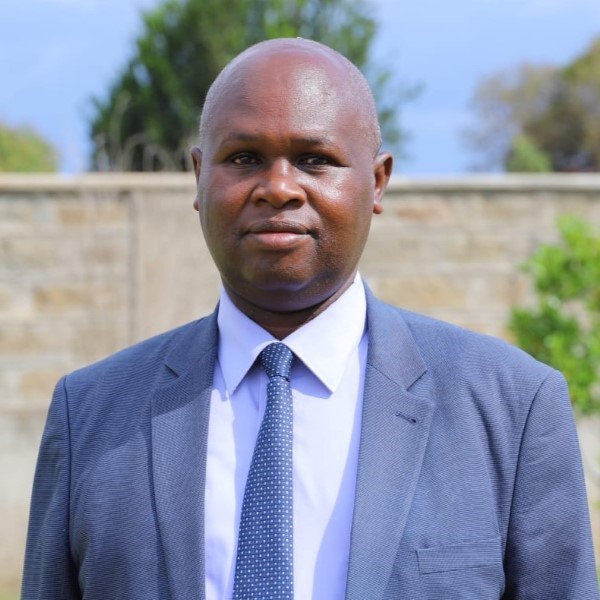
Simon Sosoika

Chairperson
Add your own image via cPanel

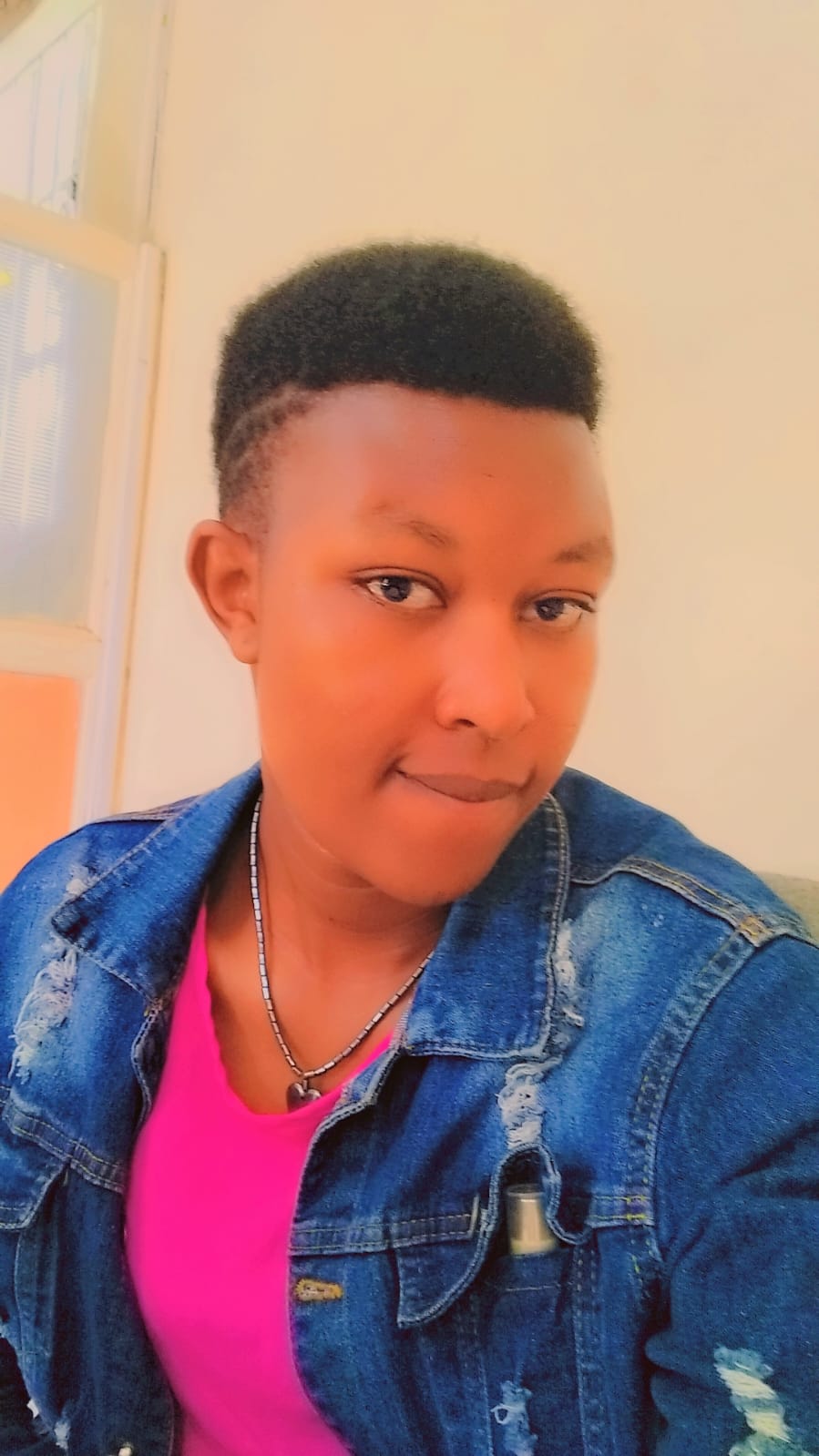
Jacinta Kirisia

Secretary
Add your own image via cPanel

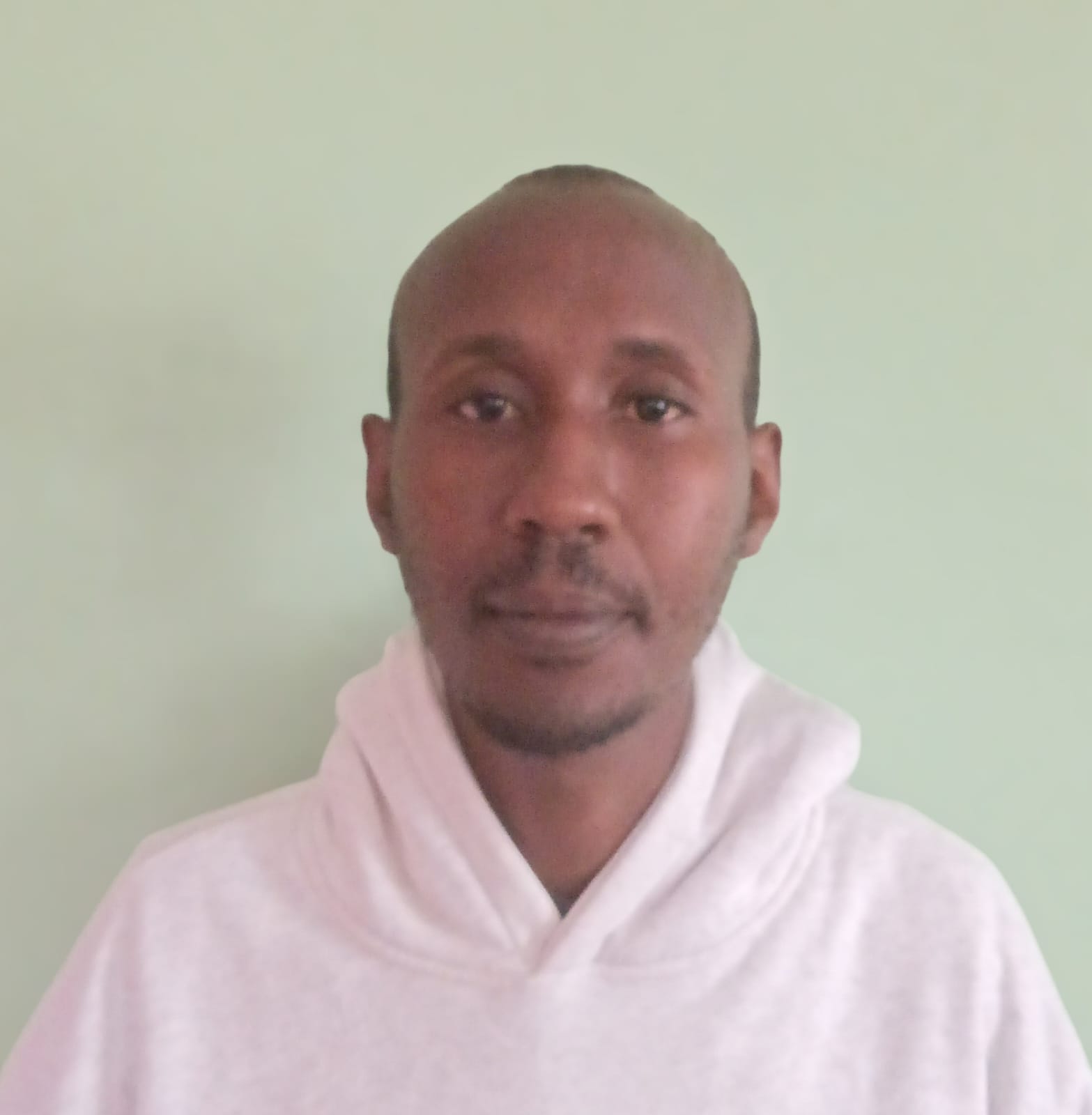
Moses Mimchil

Treasurer
Add your own image via cPanel

John Kisimir

Partnerships Director
NameRepresents
Executive Committee
Simon SosoikaChairperson
Jacinta KirisiaSecretary
Moses MimchilTreasurer
John KisimirPartnerships Director
Other Board Members
Ntinina NtumaOltepesi Conservancy
Daniel MatampashLorbetera Conservancy
Sikampe TutaOsewan Conservancy
Moi MasiayaIlesai Conservancy
Oiboo KoikaiOlchorro Oiborr Conservancy
Jonathan SaitieuKisapuk Conservancy
County Government Representative
KWS Representative
Youth Representative
Women Representative
Add your own image via cPanel

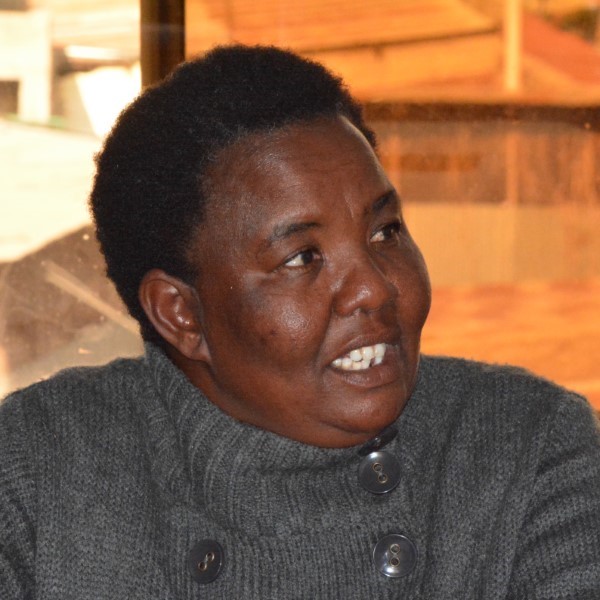
Mayian Lemaiyan

Projects Coordinator
Rose Kinki

Rose Kinki

Administrative Officer
Add your own image via cPanel

Stanley Lesinko

Communications Manager
Add your own image via cPanel

John Kisimir

Co-founder

John Kisimir is a vocal conservation leader and nature explorer, as well as a communications expert with the United Nations. He has led communications teams for international organizations including World Vision and ActionAid International across Africa, Latin America and the United States.

John is passionate about wildlife, having grown up in a world where wildlife is part of the community.

Add your own image via cPanel

Moses Minchil

Co-founder

Moses is a highly qualified financial expert, currently serving as Director of Revenue in Narok County. He spent many years with the Kenya Wildlife Service managing grants for donor projects.

Moses comes from an area bordering the Amboseli National Park region, where his family and community own vast open spaces rich in wildlife but heavy with conflict, as communities see little benefit. His dream is for communities to derive real benefits from wildlife resources, and to keep the land open for conservation.

Field Updates

News & Stories from the Rangelands

Explore field stories, conservation alerts and community voices from Central Kajiado.

Latest stories
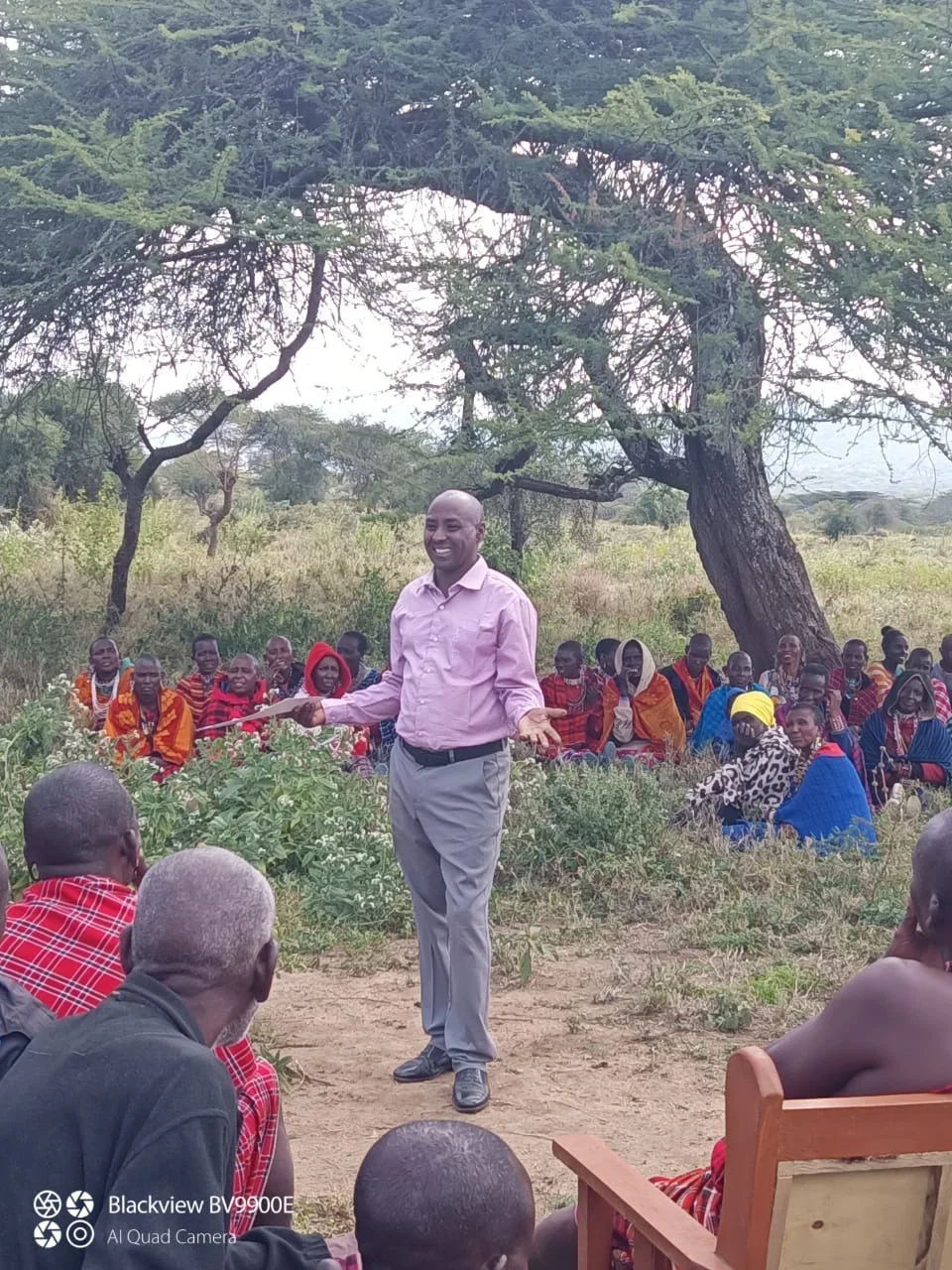
RAMAT community members gathered for a conservation meeting in Central Kajiado
October 2024Community

Re-imagining Community-led Conservation: A Model of Self-Driven Conservancies in Kajiado

Central Kajiado

How locally established conservancies are putting community ownership, governance and development at the centre of conservation.

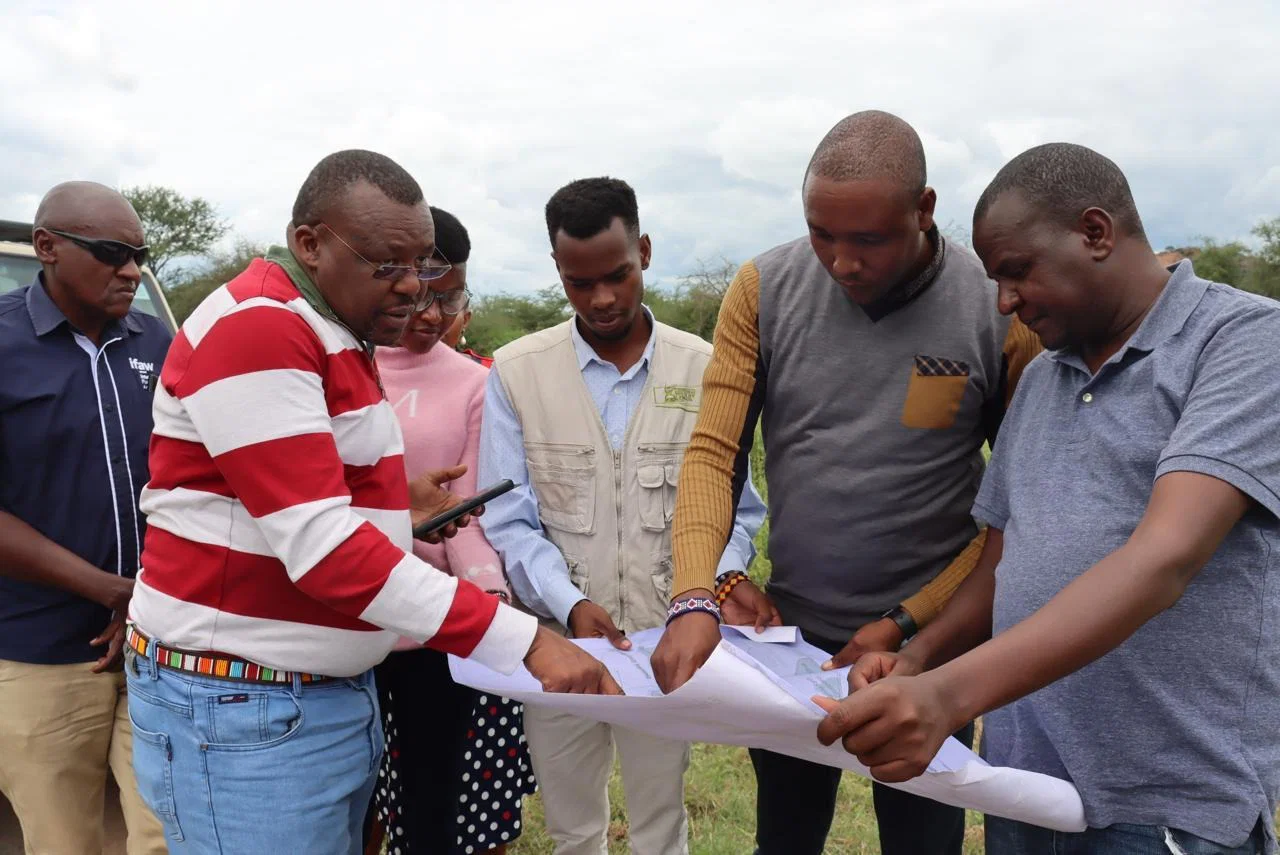
Community members reviewing a land-use map for the Central Kajiado wildlife corridor
14 Oct, 2024Conservation Alert

Act Now to Protect the Last Wildlife Corridor in Central Kajiado Before It’s Too Late

Bisil – Ng’atataek corridor

An urgent call to protect an eight-kilometre wildlife passage threatened by fencing, urbanisation and agricultural expansion.

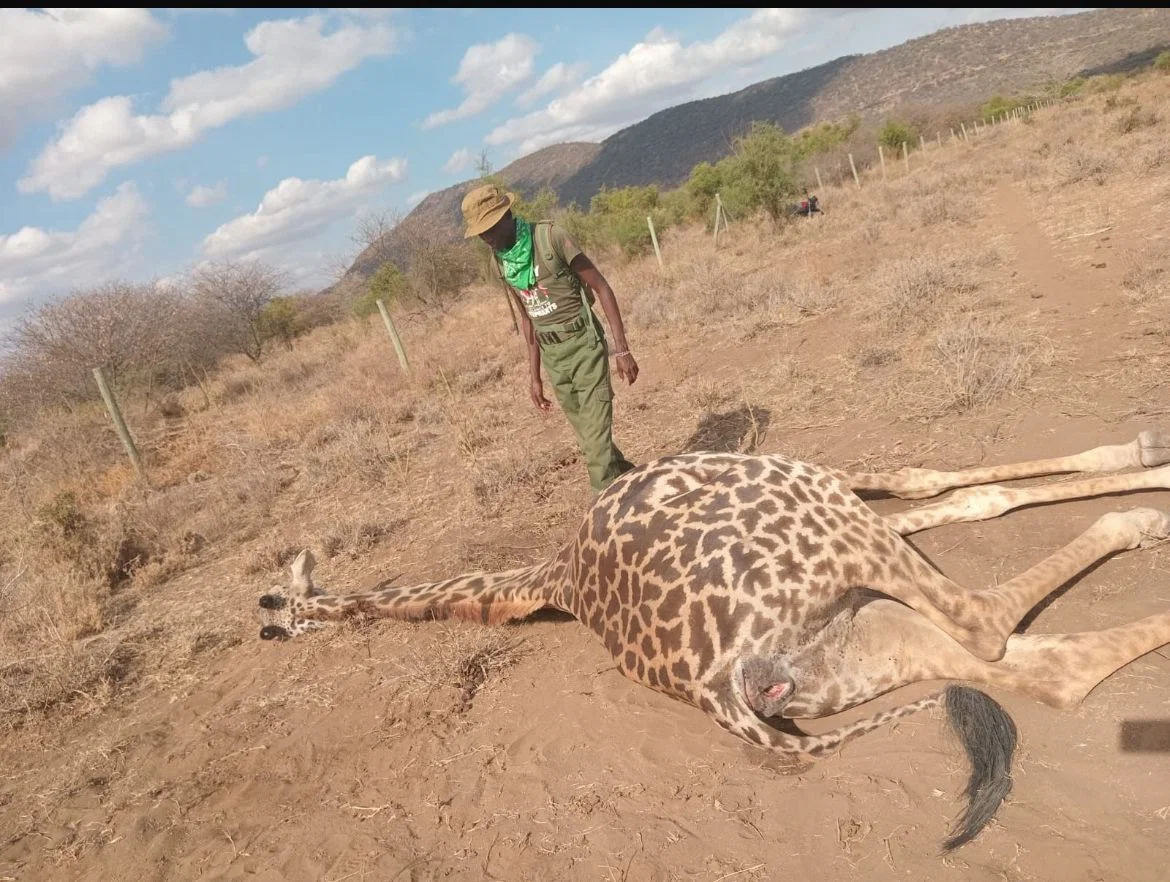
A park ranger beside a giraffe in the fenced rangelands of Central Kajiado
October 2024Wildlife

Giraffes Suffer as Private Ranches Shut Down Migratory Corridors

Central Kajiado

Private ranch fencing is restricting movement, leaving giraffes isolated and increasing the risks of starvation, injury and death.

Communities living alongside wildlife in the RAMAT conservancies
October 2024Community Health

Action Needed to Combat Zoonotic Diseases, Snake Bites Among Communities Living with Wildlife

RAMAT conservancies

A community-focused call for stronger health infrastructure, emergency response, early warning systems and safer coexistence.

All News
RAMAT community members gathered for a conservation meeting in Central Kajiado

Re-imagining Community-led Conservation: A Model of Self-Driven Conservancies in Kajiado

Traditionally, establishing a conservancy in Kenya has relied heavily on external funding, often resulting in unsustainable outcomes. However, in Central Kajiado, a new approach is taking shape, where local communities are leading conservation efforts through self-initiated conservancies that prioritize development alongside wildlife preservation.

For years, Central Kajiado—an essential wildlife corridor—received minimal conservation investment. This neglect led to the proliferation of fenced private ranches, and an increase in poaching. Human-wildlife conflict became a persistent challenge for residents, and wildlife populations steadily declined.

Taking Ownership

“By building strong conservancies before involving external partners, communities can establish solid foundations. This approach allows time for the “storming and forming” phases—where new institutions find their footing and become stable.”

In response to these challenges, community leaders founded RAMAT Wildlife Society to support their conservancies. Unlike traditional models, the 14 community-led conservancies, spanning 105,000 hectares, were established without external funding. Instead, they emerged from a shared vision of environmental stewardship and community development. “Our model is based on community development, not just wildlife conservation,” explains Simon Sosoika, Chairperson of RAMAT Wildlife Society. “Wildlife is only one of our resources. If we protect our environment, we unlock many opportunities—such as better health, clean water, and tourism.”

These conservancies operate through mutual agreements rather than formal contracts, aligning with Maasai traditions of respect and cooperation. Membership is voluntary, with no coercion involved. Landowners collectively commit to safeguarding wildlife and preventing land degradation. Over time, they aim to attract investments in tourism and other development projects.

Strengthening Governance

RAMAT has prioritized training conservancy committees to establish strong governance structures and fostering partnerships with Kenya Wildlife Conservancies Association and is currently pursuing working relationships with The Nature Conservancy, WWF, and IFAW. These efforts empower communities to manage their conservancies independently, ensuring that governance remains in the hands of those who live on the land and understand its value.

“We have dispelled the myth that you need large sums of money to start a conservancy,” Sosoika adds. “All you need is open land, organized communities, and wildlife—that’s 80% of the investment.”

By building strong conservancies before involving external partners, communities can establish solid foundations. This approach allows time for the “storming and forming” phases—where new institutions find their footing and become stable.

The Road Ahead: Exploring New Frontiers in Conservation

Despite these achievements, access to resources remains a significant challenge. “International conservation agencies often dominate donor networks, making it difficult for grassroots organizations to secure funding,” notes John Kisimir, RAMAT’s co-founder. But RAMAT remains optimistic and is currently working on developing carbon credits to create sustainable income streams for its conservancies.

A Model for the Future

The conservancies in Central Kajiado offer a blueprint for reimagining conservation across Africa. They demonstrate that local communities—united by a shared vision, robust governance, and cultural heritage—can restore ecosystems while building sustainable livelihoods.

Back to all news
All News
Community members reviewing a land-use map for the Central Kajiado wildlife corridor

Act Now to Protect the Last Wildlife Corridor in Central Kajiado Before It’s Too Late

Oct 14, 2024

In the heart of Kajiado Central, a critical wildlife corridor between Bisil and Ng’atataek Towns along the 133 km Athi River–Namanga Highway is facing an imminent threat. This 8-kilometer stretch, the last remaining passage for wildlife migrating from Amboseli National Park towards Lake Magadi and Maasai Mara, is on the verge of disappearing. As fencing and urbanization spread rapidly, wildlife movement has become increasingly restricted, endangering the survival of key species and the long-term health of the ecosystem. This corridor is not just a pathway for animals but a lifeline for wildlife migrating between the two iconic parks in the Southern Rangeland. The Maasai families that occupy this 15,000-hectare area primarily use it for livestock rearing, and while they are not opposed to wildlife conservation, it currently offers no tangible economic value to them. As a result, fences are erected, urban centers expand, and crop agriculture continues to encroach into wildlife territory, choking off the natural migration routes.

If we do not take decisive action to protect this corridor, we risk losing it forever, just as we have lost other critical crossing points along the highway, which has led to the isolation of Nairobi National Park. RAMAT Wildlife Society has been organizing local communities to form conservancies, but these efforts alone are not enough. We need immediate and sustainable solutions that align the needs of wildlife with the livelihoods of the people living in this landscape.

The closure of wildlife corridors has dire consequences. Without these passages, animals are forced to cross dangerous roads, leading to an increase in wildlife-vehicle collisions. More importantly, the fragmentation of habitats isolates populations, reduces genetic diversity, and makes wildlife more vulnerable to disease and environmental changes.

But this isn’t just a wildlife issue—it’s a community issue. As urban centers grow and agriculture expands, land-use conflicts between humans and wildlife escalate, deepening poverty and reducing opportunities for sustainable economic development.

Possible Solutions: A Way Forward for Policymakers, Conservationists, and Donors

  1. Trans-Highway Conservancies: Encourage landowners to establish a trans-highway conservancy that is adequately funded and supported as a vehicle for economic development. Funding is urgently needed to support the creation and management of the conservancy and provide training for communities in sustainable land management.
  2. Wildlife-Friendly Land-Use Policies: Legal frameworks for voluntary conservation easements can provide landowners with financial returns while keeping wildlife corridors intact, preventing further encroachment, and incentivizing landowners to maintain open landscapes.

Why We Must Act

The Maasai people who live in this region are the stewards of this land, and their livelihoods depend on maintaining a healthy balance between wildlife and livestock. But they cannot do this alone. By aligning conservation efforts with economic development, we can support them in creating a future where wildlife and people thrive together.

We still have time to save this corridor, but the window is closing fast.

Back to all news
All News
A park ranger beside a giraffe in the fenced rangelands of Central Kajiado

Giraffes Suffer as Private Ranches Shut Down Migratory Corridors

A crisis is unfolding in Central Kajiado, threatening one of Africa’s most iconic animals: the Maasai giraffe. As human activities continue to encroach on their habitat, these gentle giants are increasingly at risk. Without urgent action, we may soon lose these majestic creatures from the region.

In the past decade, the open landscapes of Central Kajiado have been transformed by the rapid rise of private ranch fences. While these fences were not intended to harm wildlife, they are blocking crucial migratory routes, especially along the Namanga Highway. These routes are vital for giraffes to move freely in search of food, water, and safety. Tragically, the fences have now become death traps.

The Toll on Giraffes

“Over the past year, 20 giraffes have died after being trapped by these barriers,” says John Kisimir, Partnerships Director and Co-Founder of RAMAT Wildlife Society.

Currently, around 30 giraffes are trapped inside fences in Mailua Location, cut off from their herds, and unable to reach better pastures. Isolated from their social groups, these giraffes face increased risks of starvation, injury, and sometimes go months without access to water.

What makes this even more heartbreaking is that the Maasai communities of Central Kajiado have long coexisted with wildlife. With support from the RAMAT Wildlife Society, some communities have set up conservancies to protect both their land and the animals that live there. However, their efforts face significant challenges, particularly a lack of adequate support and technical resources.

Urgent Action Needed

Immediate action is needed. The key to solving this crisis is engaging private landowners in a productive dialogue. They should be encouraged and incentivized to create wildlife corridors—open spaces where giraffes and other animals can move freely between their habitats.

The Maasai giraffe is not just another animal; it represents the wild heritage of the Maasai people. Losing it due to man-made barriers would be a tragedy. Efforts to ensure their survival must start now.

Back to all news
All News
Communities living alongside wildlife in the RAMAT conservancies

Action Needed to Combat Zoonotic Diseases, Snake Bites Among Communities Living with Wildlife

For generations, Maasai families have coexisted with wildlife, their lives intricately woven with the rhythm of the savannah. But this delicate balance has always brought pain — one where human life is lost and livelihoods are devastated.

The scars of this conflict are deep, and the tragedies are frequent. Just a few months ago, my brother’s life at Kikesen River Conservancy was changed forever. His three-year-old daughter, the jewel of his eye, was taken from him in the cruelest of ways. The deadly Egyptian cobra had slithered into their home—likely seeking shelter from the searing heat or in search of prey. It nestled under the bed where the children, playing their innocent game of hide and seek, unknowingly danced with danger. When the snake bit her, they rushed to the nearest health facility. But it was too late. In less than an hour, her tiny body succumbed to the venom.

Grief overwhelmed the family, but even before the tears had dried, another horror struck. The chairman of Kisapuk Conservancy reported that a 12-year-old girl, on her way to fetch water for her parents, had also fallen victim to a snake bite. She died, just like the countless others whose stories are whispered in mourning but never make headlines.

The Unseen Epidemic

Beyond the visible tragedies lie the unseen dangers—zoonotic diseases that quietly ravage these communities. Just weeks after the snake bite deaths, at least 6 women in the community experienced bouts of miscarriages. This followed reported cases of abortion in livestock. Wildlife too showed signs of distress. Lab tests confirmed the presence of leptospirosis, a bacterial disease transmitted from wildlife to livestock, and from livestock to humans. Last year it was Brucellosis that led to abortion by women, livestock, and wildlife – losses that families could neither predict nor prevent.

A Call for Urgent Action

Despite the enormity of these tragedies, help is far from reach. The nearest source of life-saving anti-venom is 100 kilometers away, and the roads are treacherous. By the time families reach help, the chances of survival have already slipped away. There is no reliable emergency response for snake bites, and the lack of basic health infrastructure is a death sentence.

Kenya Wildlife Service Compensation: A Fragmented Lifeline

Kenya Wildlife Service guidelines on wildlife compensation provide for payments to families who lose loved ones or livestock due to wildlife. However, this compensation is sporadic, delayed, and often inadequate. It does little to ease the long-term suffering of families who’ve lost their children, their livelihoods, and their futures.

A Cry for Intervention

These communities cannot continue to face these challenges alone. The human cost of inaction is mounting. The establishment of more fully operationalized health units, early warning systems, and better infrastructure is not just necessary—it’s life-saving. Policymakers must prioritize investments in health care for communities living with wildlife, road networks, and wildlife management programs that focus on coexisting safely with nature.

Back to all news
Knowledge & Resources

Publications & Reports

Research reports, strategic plans, field assessments and other resources documenting community-led conservation across the Matapato Rangelands.

Impact of Fences on Wildlife in Central Kajiado
Rapid Assessment Report

Impact of Fences on Wildlife in Central Kajiado

A rapid field assessment evaluating fenced properties across 11 conservancies in Matapato North and South Wards. Documents over 30 giraffes trapped within fenced private properties between 2022–2024, with 24 giraffes killed by fences.

December 2024RAMAT & KWS
RAMAT Wildlife Society 3-Year Strategic Plan
Strategic Plan

RAMAT Wildlife Society — 3-Year Strategic Plan (2023–2027)

Outlines RAMAT's vision for fostering sustainable coexistence between Maasai pastoralist communities, wildlife, and livestock. Covers five strategic goals: ecosystem restoration, community empowerment, operational strengthening, governance, and resource mobilisation.

2023–2027RAMAT Wildlife Society
Matapato Rangelands Ecosystem Management Plan
Ecosystem Management Plan

Matapato Rangelands Ecosystem Management Plan (MREMP) 2025–2034

A comprehensive 10-year management plan for the 125,964-hectare Matapato Rangelands Ecosystem. Addresses biodiversity conservation, human-wildlife coexistence, climate resilience, and sustainable pastoralism across 16 community conservancies.

2025–2034RAMAT Wildlife Society
Add your own image via cPanel
Field Visit Report

Joint Partners Scoping Mission to Central Kajiado Landscape

A joint field visit by IFAW, KWCA, NAKAEB and RAMAT to assess emerging conservancies in Mailua, explore threats from fencing, and identify unfenced ranches for a new cross-highway conservancy protecting elephant crossing areas.

May 2024IFAW, KWCA, NAKAEB & RAMAT
Add your own image via cPanel
Annual Report

RAMAT Wildlife Society Annual Report 2024–2025

Highlights key achievements including strengthened governance across member conservancies, expanded partnerships, ecosystem restoration, human-wildlife coexistence initiatives, and KES 27 million disbursed from the carbon programme supporting 3,000 students.

2024–2025RAMAT Wildlife Society
Fencing Connectivity and Corridors Workshop Report
Workshop Report

Fencing, Connectivity, and Corridors — Safeguarding Wildlife Movement in Kenya

A national workshop report examining how fencing shapes landscape connectivity across Kenya's rangelands. Co-developed guiding principles and decision-support tools for national and county agencies, NGOs, and community conservancies.

December 2025ACC, WRTI, RAMAT & SRC
Get Involved

The rangelands can hold twenty conservancies. We're ten in.

Online giving is coming soon. Until then, the fastest way to help is to reach out directly — as a partner, a funder, or a community ally.

Our Partners

Trusted by conservation's leading institutions.

Kenya Wildlife Service Kenya Wildlife Conservancies Association Embassy of France African Conservation Center Wildlife Direct Conservation Alliance of Kenya Giraffe Conservation Foundation The Wildlife Foundation Wildlife Clubs of Kenya