Re-imagining Community-led Conservation: A Model of Self-Driven Conservancies in Kajiado
Central KajiadoHow locally established conservancies are putting community ownership, governance and development at the centre of conservation.
Ramat Wildlife Society is the community-led body uniting ten conservancies across the Amboseli ecosystem's northern rangelands — rebuilding habitat, reopening migratory routes, and proving coexistence pays.
RAMAT Wildlife Society is a representative body for conservancies in Central Kajiado, most of them across the Matapato Rangelands — a 3,200 km² landscape on the northern periphery of the Amboseli National Park ecosystem, bordering Kenya and Tanzania.
Our name comes from the Maasai word “Ramatare,” meaning the holistic management of animals, families, environment and community together. Registered in 2022 under Section 10 of Kenya's Societies Act (Reg. #R4443), we were endorsed as the region's representative body by conservancy chairpersons on 6 July 2023. Our logo carries the Greater Kudu — valued by the Maasai for its grace, and its horn's role in festivities.
Read Our Full StoryTo rebuild wildlife habitats by nurturing values of tolerance and coexistence between people and wildlife, through sustainable, community-owned conservation.
Rebuilding healthy ecosystems for both the people and the wildlife of the Matapato Rangelands — one conservancy at a time.
Wildlife and livestock are a gift of nature to our people. We take responsibility to protect them, and to let them co-exist among us as we have for generations.Our Philosophy
Every conservancy under our umbrella draws on the same set of coordinated programs — built around the region's specific pressures and opportunities.
Rapid-response support for households facing predation, crop-raids and livestock loss.
Wildlife clubs, school partnerships and outreach that build local ownership of conservation.
Reversing degradation and restoring grazing land for both livestock and wildlife.
Keeping wildlife corridors open between Amboseli and the Kenya–Tanzania border.
Training conservancy leaders in strong, accountable, community-led governance.
Turning conservation into a viable, dignified livelihood for conservancy members.
We began in a place of frustration — human–wildlife conflict with little conservation attention paid to Central Kajiado. Rather than dwell on the conflict, our founders mobilized their neighbours toward a homegrown solution.
The first conservancy in the region is mobilized and registered, becoming the reference point for Parsilet, Oldoinyo Sambu and Kisapuk — conservancies along a major wildlife migratory route from Tanzania and the Lake Magadi region.
Lorbetera and Noosikitok Conservancies are born on the peripheries of the Amboseli National Park ecosystem, as the model keeps proving itself to neighbouring communities.
As Mailwa, Emotoroki, Meto and Long'oswa open up to conservancies of their own, RAMAT is registered as a coordinating body to raise resources and strengthen governance region-wide.
On 6 July 2023, chairpersons of Central Kajiado's conservancies endorse Ramat Wildlife Society as their representative body — change is coming.
Embassy of France became our first supporter, through the introduction of filmmaker Dr. Paula Kahumbu of Wildlife Direct — funding salaries for community scouts at Kikesen, Noosikitok and Lorbetera Conservancies.
Kenya Wildlife Conservancies Association (KWCA) paid scout salaries at Kikesen River Conservancy through the height of COVID‑19, and supported our first governance training for conservancy leaders and the mapping of ten conservancies.
It has been a journey of growth and lessons. Here are some of the milestones so far.
Mobilization and registration of 10 conservancies, bringing 170,000 acres under conservation.
Mapping of the conservancies in partnership with the Kenya Wildlife Conservancies Association (KWCA).
Employment of community wildlife ambassadors across member conservancies.
Supported six schools within the conservancies with lunch for children through the 2022 drought.
Installation of predator-proof solar lights in 48 homesteads to protect livestock at night.
Launched a beekeeping project at Nairrabala Primary School.
Started Wildlife Clubs at schools within Kikesen River Conservancy.
Ran a tree-planting project in schools across the member conservancies.
Each conservancy listed here was formed by community land owners, mapped in partnership with the Kenya Wildlife Conservancies Association, and now sits under the coordination of Ramat Wildlife Society. Two further conservancies are in progress.
| Name | Approx. Acreage | Registration Type | Formerly (Group Ranch) |
|---|---|---|---|
| Registered Conservancies | |||
| Kisapuk Conservancy | 11,000.18 acres | CBO | Oldoinyio Orok |
| Oldoinyo Sampu Conservancy | 23,727.73 acres | CBO | Meto |
| Parsilet Conservancy | 14,941.61 acres | CBO | Meto |
| Kikesen River Conservancy | 13,982.83 acres | CBO | Meto |
| Noosikitok Conservancy | 20,039.17 acres | CBO | Mailwa |
| Lorbetera Conservancy | 40,448.28 acres | CBO | Mailwa |
| Ilesai Conservancy | 15,209.19 acres | CBO | Emotoroki |
| Olchorro Oiborr Conservancy | 8,381.56 acres | CBO | Emotoroki |
| Oltepesi Conservancy | 9,521.43 acres | CBO | Emotoroki |
| Osewan Conservancy | 19,292.06 acres | CBO | Emotoroki |
| Proposed Conservancies | |||
| Lenkishon Trans-Highway Conservancy | 15,000 acres | N/A | Nentanai |
| Ruanche Conservancy | 12,000 acres | N/A | Lorngoswa |
CBO — Community-Based Organisation. Acreage figures are approximate, based on participatory mapping conducted with KWCA.
A board elected by the conservancies, a secretariat that runs day to day, and the founders who started it all.
The interim board was elected by the conservancies and mandated to operate for one year, until the next Annual General Meeting.
On 1 October 2023, the Ramat Wildlife Society secretariat office was officially opened at the NIA Building, Off Namanga Highway, Kajiado Town.
The first Ramat Wildlife Society board includes chairpersons of member conservancies, the founders, and independent experts. It came into office on 6 October 2023.


| Name | Represents |
|---|---|
| Executive Committee | |
| Simon Sosoika | Chairperson |
| Jacinta Kirisia | Secretary |
| Moses Mimchil | Treasurer |
| Joshua Kisakui | Deputy Treasurer |
| Isaac Pasua | Deputy Chairperson |
| John Kisimir | Patron |
| Other Board Members | |
| Ntinina Ntuma | Oltepesi Conservancy |
| Daniel Matampash | Lorbetera Conservancy |
| Sikampe Tuta | Osewan Conservancy |
| Moi Masiaya | Ilesai Conservancy |
| Oiboo Koikai | Olchorro Oiborr Conservancy |
| Jonathan Saitieu | Kisapuk Conservancy |
| — | County Government Representative |
| — | KWS Representative |
| — | Youth Representative |
| — | Women Representative |


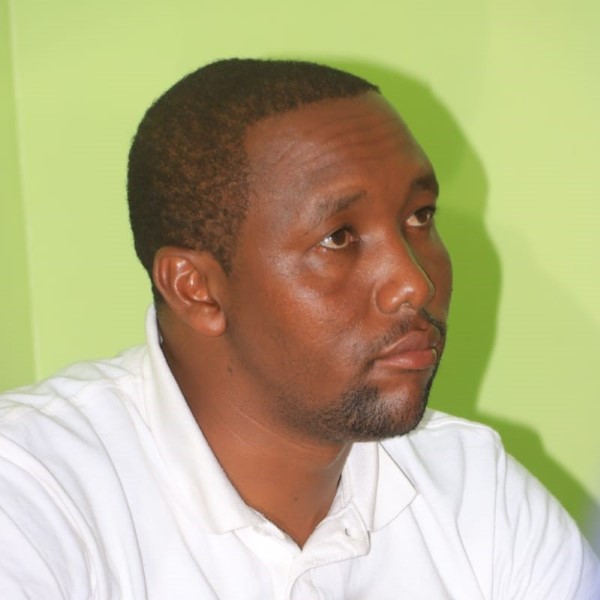
John Kisimir is a vocal conservation leader and nature explorer, as well as a communications expert with the United Nations. He has led communications teams for international organizations including World Vision and ActionAid International across Africa, Latin America and the United States.
John is passionate about wildlife, having grown up in a world where wildlife is part of the community.

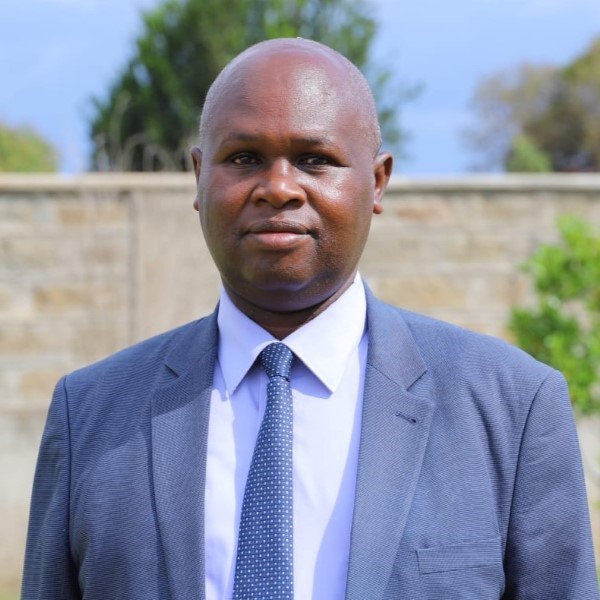
Moses is a highly qualified financial expert, currently serving as Director of Revenue in Narok County. He spent many years with the Kenya Wildlife Service managing grants for donor projects.
Moses comes from an area bordering the Amboseli National Park region, where his family and community own vast open spaces rich in wildlife but heavy with conflict, as communities see little benefit. His dream is for communities to derive real benefits from wildlife resources, and to keep the land open for conservation.

Paul is a well-known figure in Kenya's conservation sector — founder and manager of Enkusero Sampu Conservancy in Kajiado West. He also serves on the National Council of the Kenya Wildlife Conservancies Association, and on the Board of SORALO.
He brings solid skills in community-based conservation, particularly in human-wildlife conflict resolution.
Explore field stories, conservation alerts and community voices from Central Kajiado. Each story can be paired with a photograph you upload to cPanel.

How locally established conservancies are putting community ownership, governance and development at the centre of conservation.

An urgent call to protect an eight-kilometre wildlife passage threatened by fencing, urbanisation and agricultural expansion.

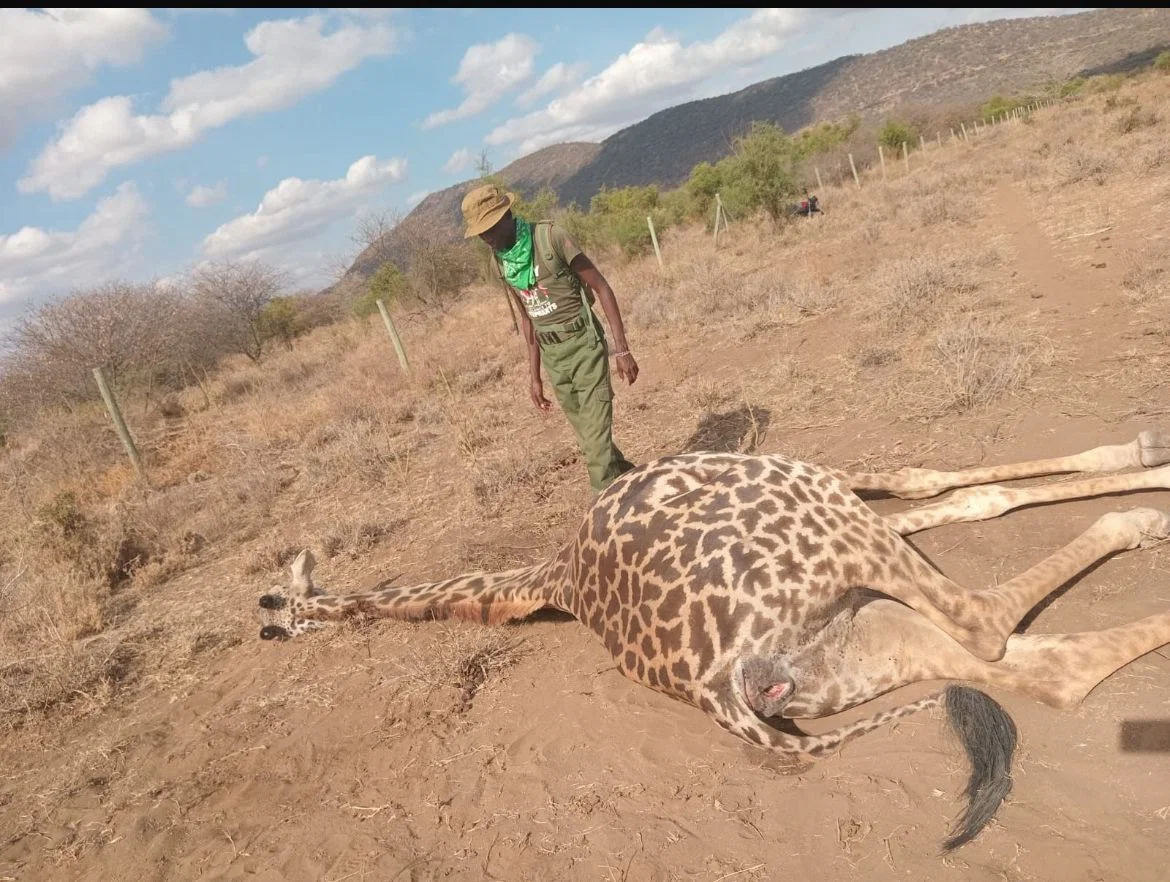
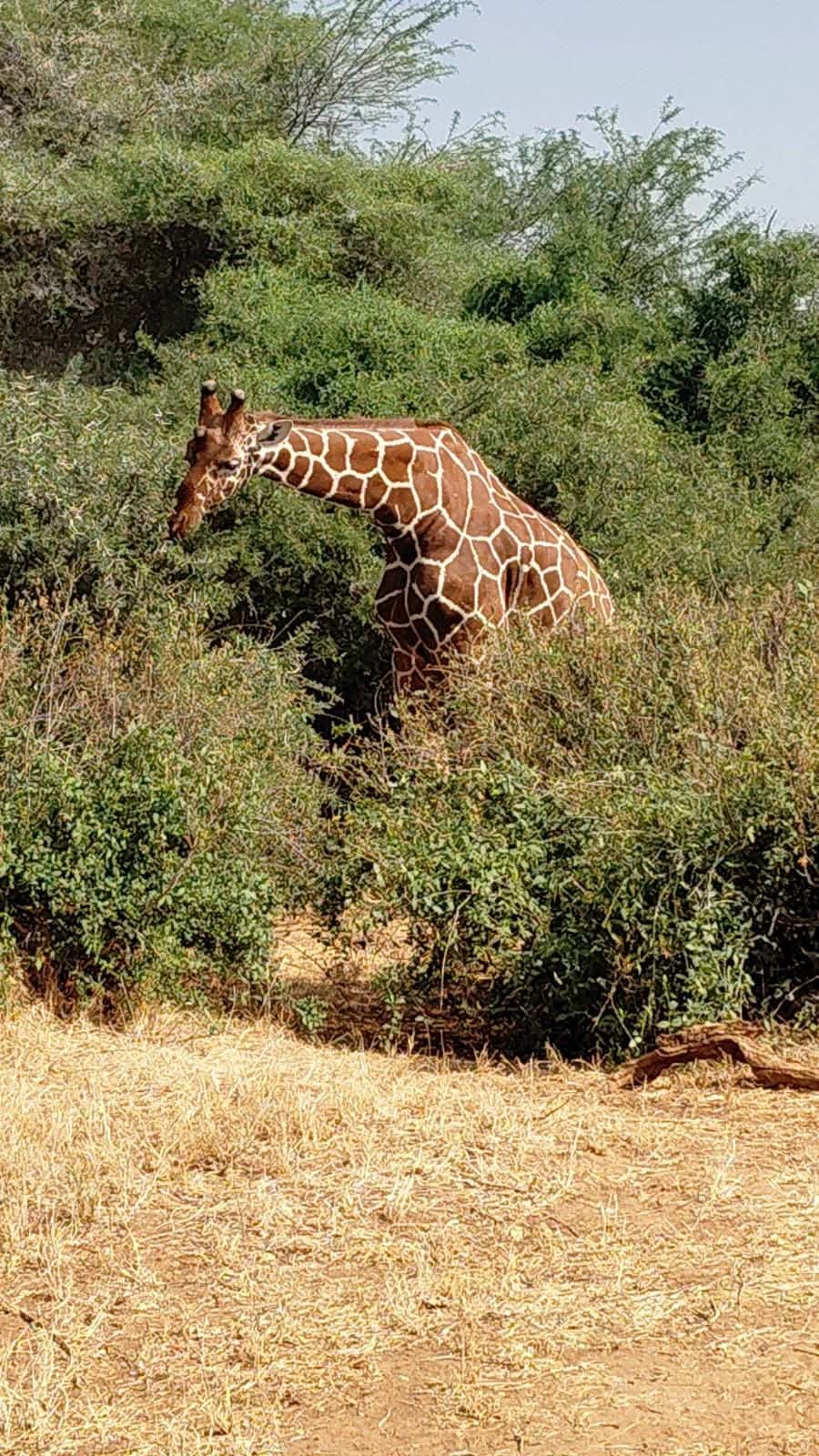
Private ranch fencing is restricting movement, leaving giraffes isolated and increasing the risks of starvation, injury and death.

A community-focused call for stronger health infrastructure, emergency response, early warning systems and safer coexistence.
Research reports, strategic plans, field assessments and other resources documenting community-led conservation across the Matapato Rangelands.
A rapid field assessment evaluating fenced properties across 11 conservancies in Matapato North and South Wards. Documents over 30 giraffes trapped within fenced private properties between 2022–2024, with 24 giraffes killed by fences.
Outlines RAMAT's vision for fostering sustainable coexistence between Maasai pastoralist communities, wildlife, and livestock. Covers five strategic goals: ecosystem restoration, community empowerment, operational strengthening, governance, and resource mobilisation.
A comprehensive 10-year management plan for the 125,964-hectare Matapato Rangelands Ecosystem. Addresses biodiversity conservation, human-wildlife coexistence, climate resilience, and sustainable pastoralism across 16 community conservancies.
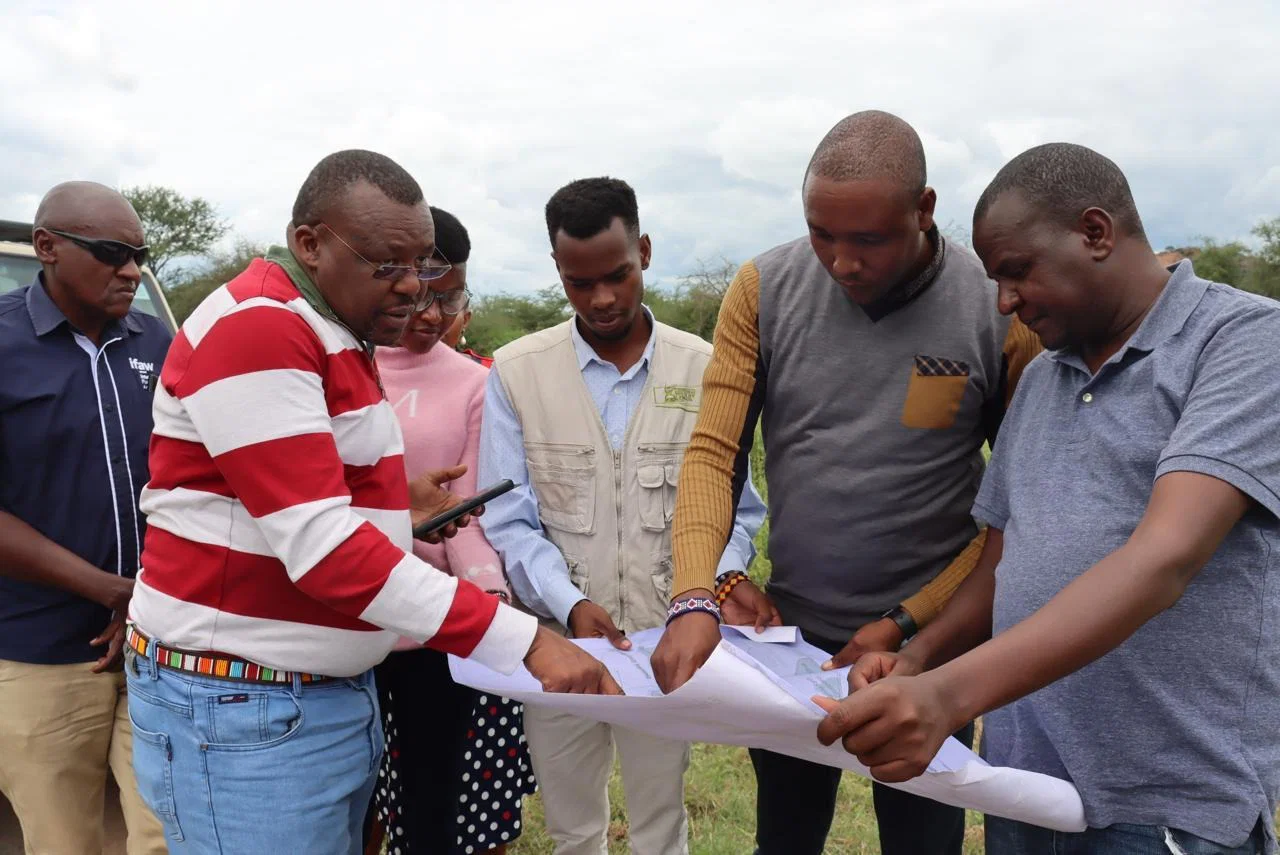
A joint field visit by IFAW, KWCA, NAKAEB and RAMAT to assess emerging conservancies in Mailua, explore threats from fencing, and identify unfenced ranches for a new cross-highway conservancy protecting elephant crossing areas.
Highlights key achievements including strengthened governance across member conservancies, expanded partnerships, ecosystem restoration, human-wildlife coexistence initiatives, and KES 27 million disbursed from the carbon programme supporting 3,000 students.
A national workshop report examining how fencing shapes landscape connectivity across Kenya's rangelands. Co-developed guiding principles and decision-support tools for national and county agencies, NGOs, and community conservancies.
Online giving is coming soon. Until then, the fastest way to help is to reach out directly — as a partner, a funder, or a community ally.